Guide

The Layman’s Bar Guide to the Six Base Liquors You Actually Need to Know
If you understand brandy, gin, rum, tequila, vodka, and whiskey, you understand the bar.
Every cocktail menu is basically a remix of those six categories. Liqueurs, flavored bottles, and fancy “limited editions” are accessories—nice sometimes, unnecessary most of the time.
This guide is built for real life: what each spirit is, what it’s legally allowed to be called, a quick history you’ll actually remember, and how to buy/use it without getting played.
First: What “Distilled Spirit” Really Means
A spirit starts as something fermented—grapes, grain, sugarcane, agave—then gets distilled, which concentrates alcohol and changes what flavors survive into the final drink.
In plain terms:
- Fermentation makes alcohol.
- Distillation concentrates it.
- Aging (optional) adds wood-driven flavor and color.
- Bottling cuts it to drinking strength and (sometimes) blends it for consistency.
That’s why spirits usually sit around 40% ABV / 80 proof: they’re meant to stay recognizable even after ice, citrus, and mixers show up.
1) Brandy
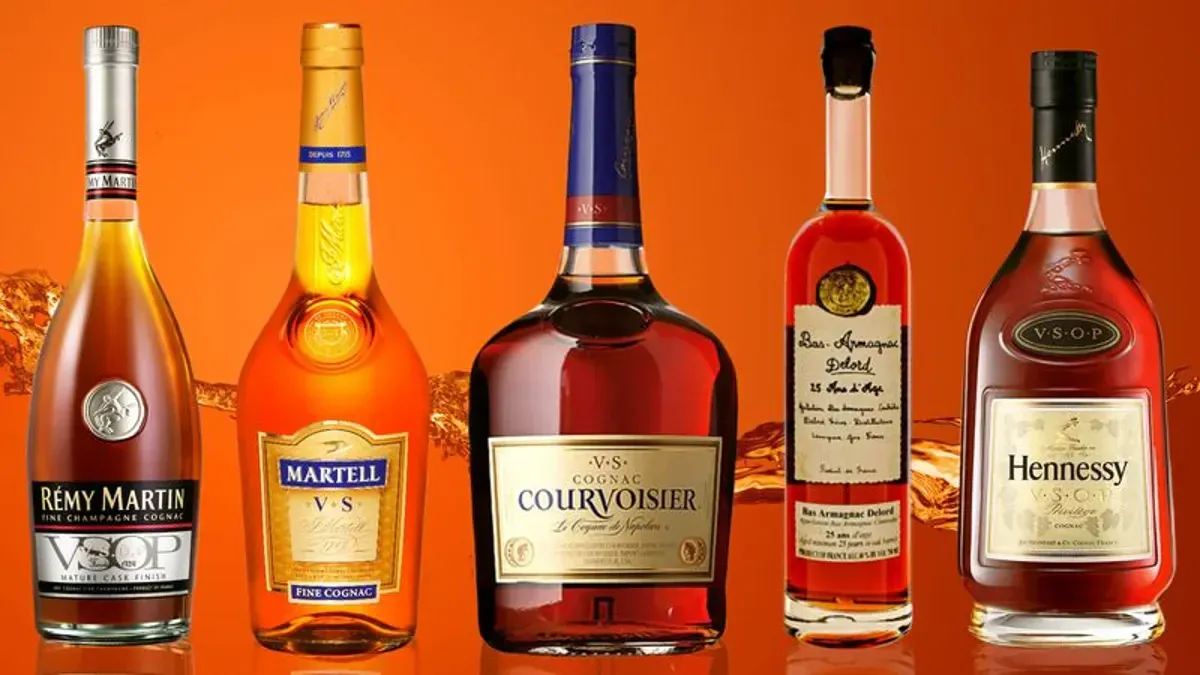
Layman’s definition
Brandy is distilled fruit wine. Most of the time it’s distilled grape wine (think “wine, but concentrated”), but apples, pears, cherries, and other fruit can be the base too.
Legal definition
In U.S. labeling rules, brandy falls under standards of identity for distilled spirits and is defined by being a distillate from fruit (typically from fermented fruit juice/wine), bottled and labeled within the brandy class/type rules.
Three-sentence history
Brandy took off when merchants realized distilling wine made it easier to ship and store, especially for long trade routes. Over time, people noticed the concentrated spirit often tasted better after resting in wood, and barrel aging became part of the appeal rather than an accident. Even the word traces back to the idea of “burnt wine” (from Dutch brandewijn), which is exactly how early drinkers described it.
What it’s like (and how to actually use it)
Flavor: Fruit-first, warming, sometimes lightly sweet; if aged you’ll get oak, vanilla, caramel, dried fruit, spice.
Main styles you’ll see:
- Cognac / Armagnac (France: typically refined vs. more rustic)
- Calvados / apple brandy (apple-driven)
- Pisco (often clear, grapey, aromatic)
- Grappa (made from grape pomace—can be intense and sharp)
Best uses:
- Sipping: brandy shines neat or with one cube—especially in cold weather.
- Cocktails: Sidecar is the classic; brandy also fits anywhere you want warmth without whiskey’s grain edge.
Buying advice (no-bull version):
- If you’re mixing, you don’t need the top shelf—just avoid the bottom shelf.
- If you’re sipping, aging matters: look for something with real barrel time, not just coloring and a fancy label.
- Brandy is one of the most underrated “guest-friendly” pours because it reads as smooth to most palates.
💡
Fun Fact: Cognac isn’t a style — it’s a legally protected place, and brandy made anywhere else can never use the name.
2) Gin
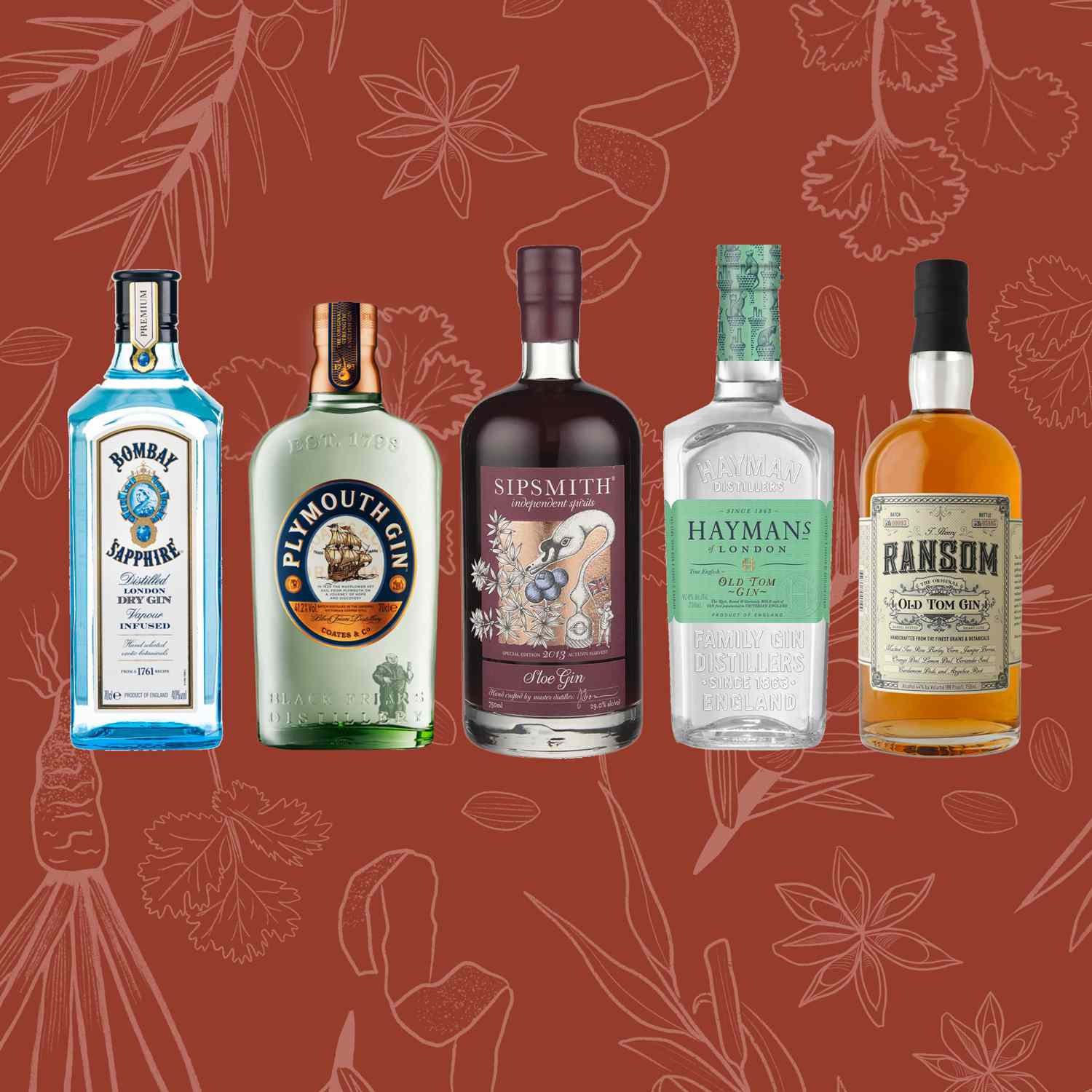
Layman’s definition
Gin is neutral alcohol that’s been deliberately flavored with plants, where juniper has to be the loudest voice in the room.
Legal definition
Under U.S. standards of identity, gin is a distinct class/type of spirit defined for labeling purposes, typically tied to being a juniper-flavored spirit produced by distillation and/or redistillation with botanicals under the gin rules.
Three-sentence history
Gin’s roots run through jenever/genever in the Low Countries—juniper-flavored spirits that started as “medicinal” and became everyday drinking. When that style hit Britain, gin took off hard, and London’s Gin Craze (early 1700s) turned into a full-blown social panic that sparked repeated attempts at regulation. The modern gin world is basically the polished, intentional version of that messy era—still botanical, just way more controlled.
What it’s like (and how to actually use it)
Flavor: Juniper = piney/resinous; botanicals add citrus peel, coriander, floral notes, spice, cucumber, etc.
Main styles:
- London Dry: crisp, juniper-forward, cocktail workhorse
- Plymouth: softer edges, rounder
- Old Tom: slightly sweeter (great for older recipes)
- Genever: malty, almost whiskey-adjacent
- New American: less pine, more “garden” flavors
Best uses:
- G&T: gin matters here—tonic exposes bad gin fast.
- Martini: ruthless drink; clean gin wins.
- Negroni: gin needs enough backbone to fight Campari.
Buying advice:
- If you’re new: start with a classic London Dry style because it behaves in most recipes.
- If you “hate gin”: try one that’s citrus-forward and not a juniper bomb.
- If your goal is cocktails: don’t overpay—balance and reliability matter more than rare botanicals.
💡
Fun Fact: Gin was once blamed for widespread social collapse in London and earned the nickname “Mother’s Ruin.”
3) Rum
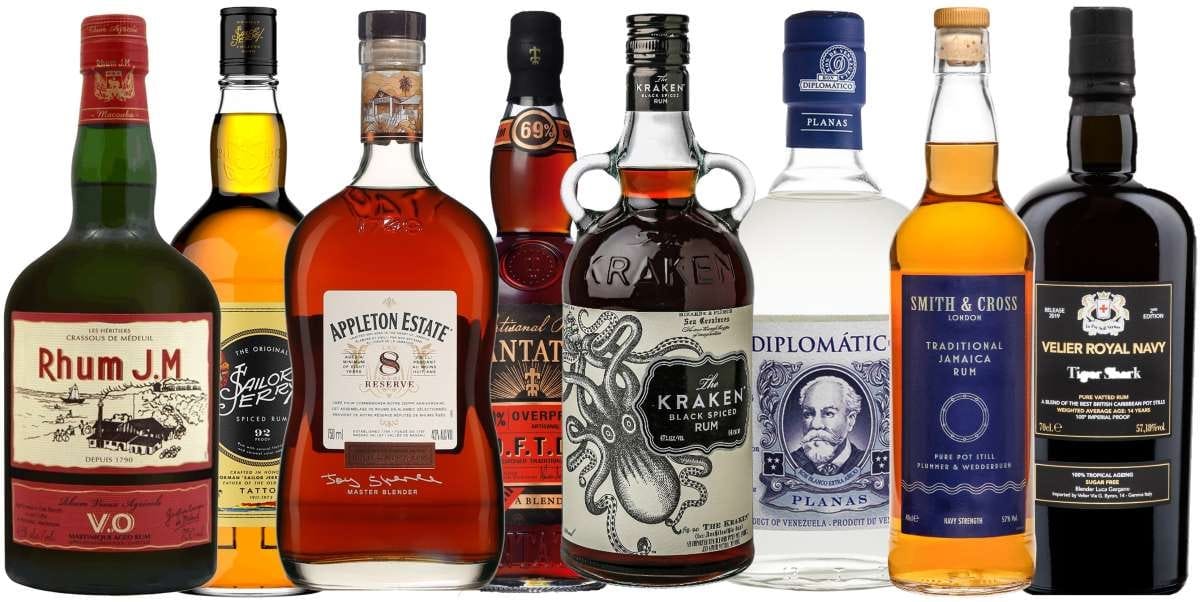
Layman’s definition
Rum is distilled sugarcane, and it ranges from “clean and light” to “dark, rich, funky, and loud.”
Legal definition
Under U.S. standards of identity, rum is a defined class/type of distilled spirit (for labeling) tied to being produced from sugarcane products and meeting the rum standard.
Three-sentence history
Modern rum is strongly tied to sugar economies in the Caribbean and the broader Atlantic world, where molasses (a sugar byproduct) became cheap fermentable fuel for distillers. Historical accounts commonly place rum’s development in the 17th century, connected to sugarcane plantations and early distillation practices. Over time it spread everywhere ships went—meaning rum developed a thousand “local dialects” instead of one single definition of what it must taste like.
What it’s like (and how to actually use it)
Flavor: At baseline you’ll get sweet/toasted sugar notes; beyond that it depends on style, aging, and region.
Common styles (translated into normal language):
- White/Light: clean, cocktail-friendly (not always “unaged,” but usually filtered)
- Gold/Amber: some barrel influence, more character
- Dark: deeper, richer, sometimes molasses-heavy
- Overproof: high-ABV—power tool, not beginner bottle
- Spiced: flavored (fun, but not “pure rum” in the way people assume)
- Cachaça: fresh cane juice style (Brazil), grassy and punchy
Best uses:
- Daiquiri: best “test” drink for rum quality—simple and revealing.
- Mojito: wants something clean, not syrupy.
- Tiki/tropical: rum is the king here because it can carry fruit and spice without disappearing.
- Sipping: aged rum can be a legitimate “whiskey alternative” for people who want smooth + sweet.
Buying advice:
- Don’t build your rum shelf by color alone—“dark” can mean added coloring; “white” can still be aged and filtered.
- Start with one good “mixing” rum (clean) and one “character” rum (richer) and you can cover a ton of classics.
💡
Fun Fact: British sailors received daily rum rations until 1970, a date still known as Black Tot Day.
4) Tequila
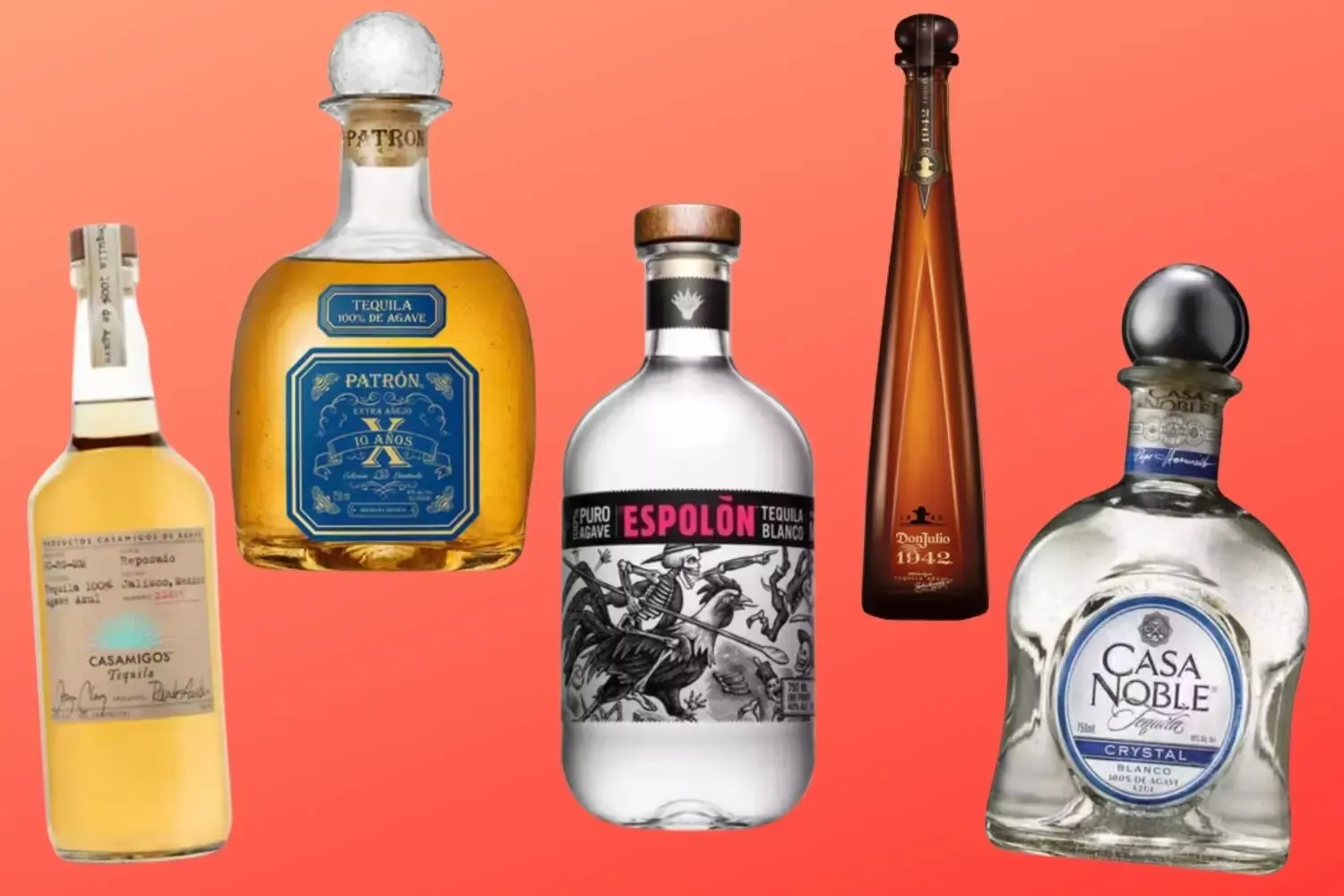
Layman’s definition
Tequila is distilled blue agave—earthy, vegetal, slightly sweet—and it’s legally tied to specific regions of Mexico.
Legal definition
Tequila is protected by Mexico’s regulatory system and denomination/appellation structure: it must be produced in authorized regions and tied to regulated production standards for tequila and blue agave.
Three-sentence history
Tequila sits in a long agave tradition: people were fermenting agave long before modern tequila existed, and distillation later shaped those traditions into spirits like mezcal and tequila. In the 20th century, tequila expanded globally and Mexico strengthened legal protections over where and how it can be produced. That’s why tequila is one of the clearest examples of a spirit where place, plant, and regulation are part of what you’re buying.
What it’s like (and how to actually use it)
Flavor: earthy, green/vegetal, sometimes peppery; aged styles pick up oak sweetness and spice.
Styles:
- Blanco: crisp, agave-forward (best for bright cocktails)
- Reposado: a little barrel roundness (great “all-purpose”)
- Añejo / Extra Añejo: more oak, more dessert-like, often better for sipping than mixing
Best uses:
- Margarita: blanco or reposado, depending on how bright you want it.
- Paloma: tequila’s earthy snap pairs perfectly with grapefruit.
- Sipping: añejo is the gateway for whiskey drinkers who want a softer, sweeter finish.
Buying advice (the single biggest rule):
- If the bottle doesn’t say “100% agave,” you’re in “mixto” territory. Those can be fine for budget cocktails, but the quality swing is huge.
- “Gold tequila” is not an aging guarantee—often it’s additives/coloring doing the talking.
💡
Fun Fact: All tequila is mezcal, but not all mezcal is tequila — like bourbon and whiskey.
5) Vodka
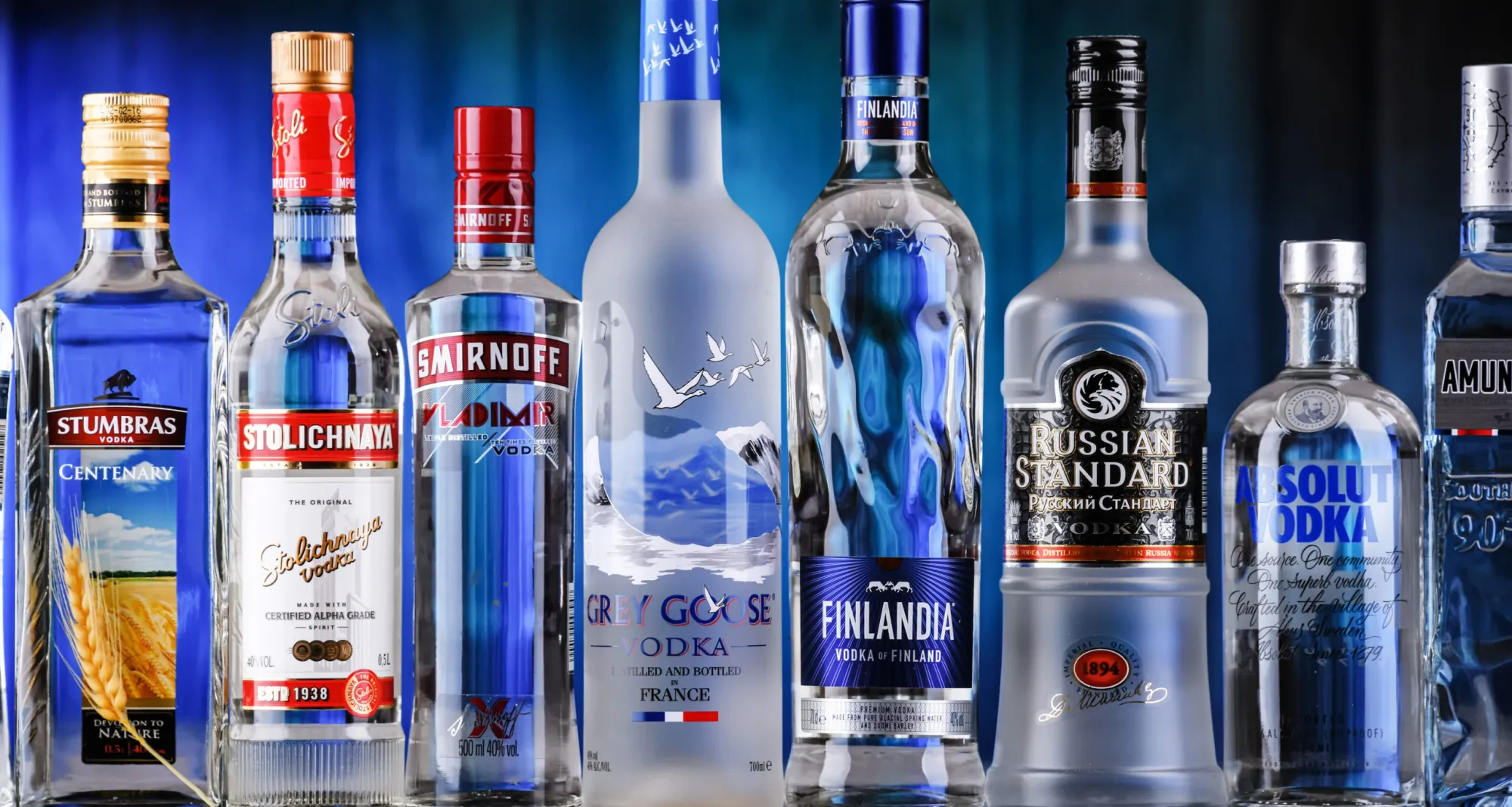
Layman’s definition
Vodka is a spirit designed to be neutral—it’s about clean alcohol, smooth texture, and disappearing into a drink.
Legal definition
Vodka is commonly defined (including in EU-style frameworks and many national rules) as a spirit distilled and/or treated to be organoleptically neutral—meaning it should not carry distinctive aroma, color, or flavor beyond minimal characteristics.
Three-sentence history
Vodka’s origins are contested, with strong historical claims in both Poland and Russia, and early uses often tied to medicine or practical drinking rather than “flavor appreciation.” Written references to wódka appear in historical Polish records, and the drink gradually evolved into the standardized, neutral spirit most people recognize today. Modern vodka culture then went global by selling an idea: cleanliness, mixability, and status—sometimes all at once.
What it’s like (and how to actually use it)
Flavor: ideally minimal; what you notice is texture—creamy vs. sharp vs. slightly sweet.
Common bases: wheat, rye, corn, potato, grapes (and more).
Best uses:
- Vodka soda: brutally honest—bad vodka shows as harshness.
- Moscow Mule: ginger + lime covers sins, but good vodka makes it cleaner.
- Bloody Mary: vodka is a platform, not the star.
Buying advice:
- Once you hit “clean and not harsh,” the gains from spending more get small fast.
- If you want vodka because you don’t want vodka flavor, don’t chase “character”—chase smoothness.
💡
Fun Fact: Some high-end vodkas are distilled so clean they qualify as industrial neutral spirit before branding adds identity back in.
6) Whiskey (or Whisky)
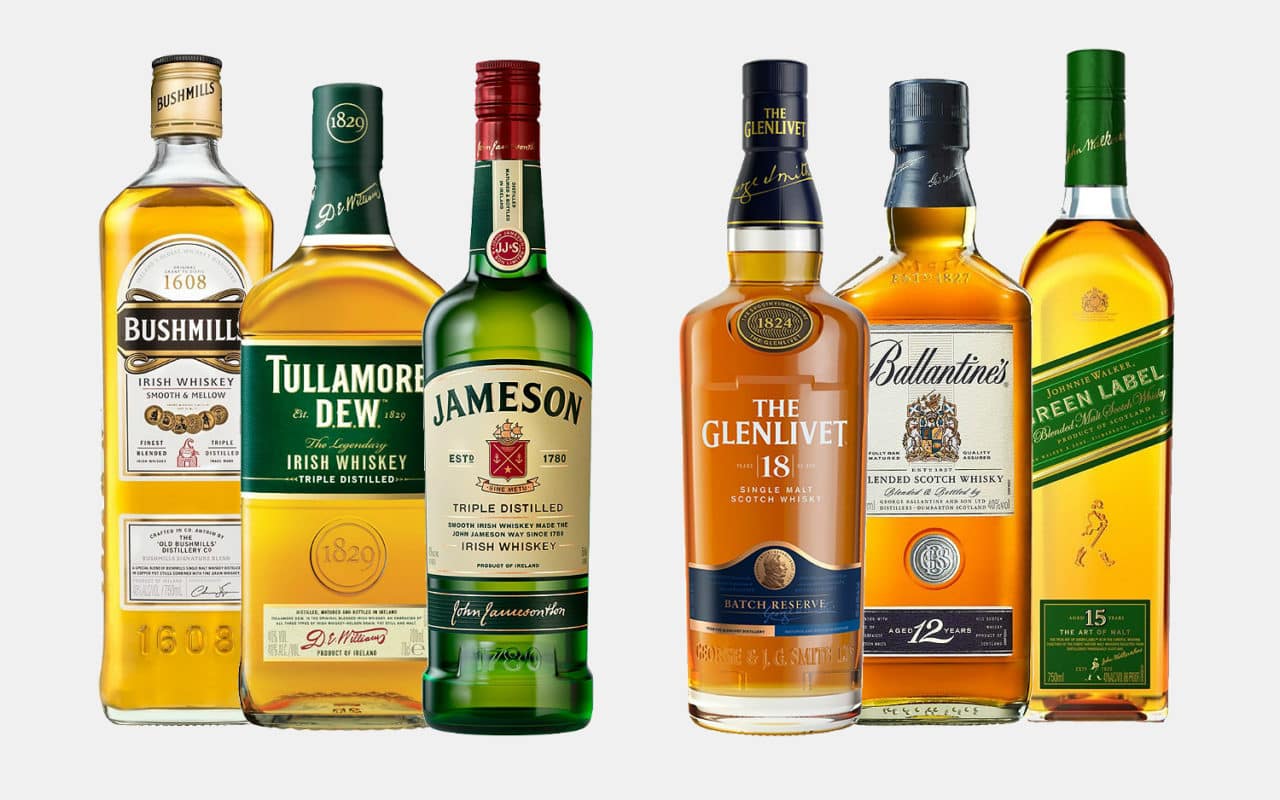
Layman’s definition
Whiskey is distilled grain that gets its personality from barrels and time. Grain gives the base; wood aging builds the house.
Legal definition
Under U.S. standards of identity, whisky/whiskey is defined as a distillate from a fermented mash of grain, distilled under set limits and stored in oak barrels (with subcategory rules varying by type).
Three-sentence history
Whisky history is basically the story of distillation spreading through Europe and becoming regional. One of the earliest widely cited documentary markers for Scotch distilling is a 1494 tax record entry in Scotland’s Exchequer Rolls referring to malt for making “aqua vitae.” From there, local methods, taxes, and geography shaped what we now treat as separate worlds: Scotch, Irish, bourbon, rye, and beyond.
What it’s like (and how to actually use it)
Flavor: toasted grain + barrel notes like vanilla/caramel/spice; sometimes smoke/peat (especially some Scotch).
Major styles (quick translations):
- Bourbon: sweeter, corn-heavy, vanilla/caramel
- Rye: spicier, drier edge
- Scotch: malt-driven; can be smoky or not
- Irish: often lighter, smoother
- Japanese: often balanced, precise
- Tennessee: bourbon-adjacent with charcoal filtering
Best uses:
- Neat/rocks: where you actually taste the barrel work.
- Old Fashioned: whiskey + sugar + bitters = pure fundamentals.
- Manhattan / Whiskey Sour: classic “stress tests” for balance.
Buying advice:
- If you’re mixing: prioritize dependable bottles, not unicorns.
- If you’re sipping: age, barrel type, and proof matter more than marketing backstory.
- If you’re new: bourbon is the most beginner-friendly entry point for many people.
💡
Fun Fact: U.S. bourbon must use new charred oak barrels, which is why used bourbon barrels age spirits worldwide.
The Layman’s Bar Rule of Thumb
If you’re building a home bar, you don’t need 40 bottles. You need:
- One reliable bottle from each base category
- A couple essentials (bitters, citrus, sugar, vermouth if you like martinis/manhattans)
- And the discipline to skip gimmicks until you know what you actually like